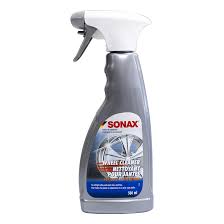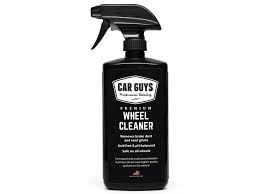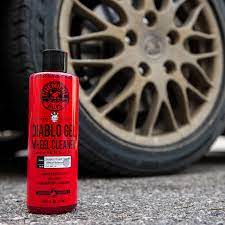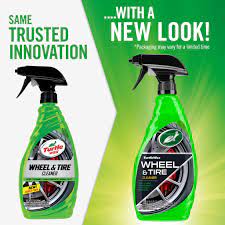
Wheels are the dirtiest part of any car. Every time you brake, the pads shed fine, hot, metallic dust that bakes onto the wheel surface and, left long enough, can etch the finish. Regular car shampoo struggles to shift it, which is why a dedicated wheel cleaner is worth having.
Types of wheel cleaners
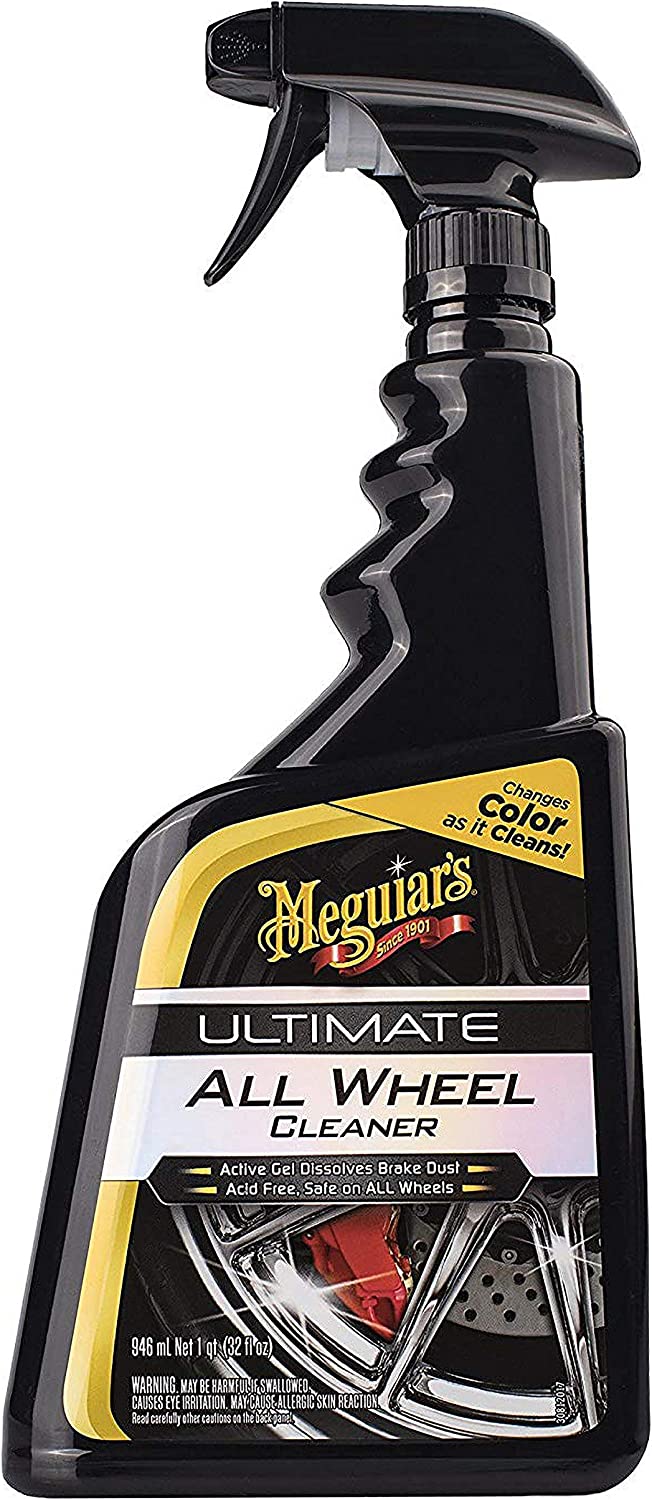
pH-neutral (acid-free) cleaners are safe on virtually every wheel finish, including polished, painted, chrome, powder-coated and clear-coated wheels. They're the right default for regular cleaning.
Iron-removing cleaners react with the iron particles in brake dust, often turning purple as they work. They're excellent for heavily contaminated wheels and dissolve deposits that brushing alone can't shift.
Acidic cleaners are the most aggressive. They can damage some finishes and are generally best left to professionals or to very neglected bare-metal wheels.
Wheel and tire combo cleaners tackle both the wheel face and the tire sidewall, saving a step.
Concentrates can be diluted to suit how dirty the wheels are, which makes them good value.
What to look for
- Safe on your wheel finish. Check the label, especially for polished, anodized or uncoated wheels.
- Clinging formula. Gels and foams stay on vertical surfaces longer and work better.
- Fast dwell time so it doesn't dry on the wheel.
- Odor. Iron removers can smell strongly; work in a ventilated space.
How to clean your wheels
- Work on cool wheels, never right after a drive. Hot wheels make cleaners dry too fast and can leave stains.
- Rinse each wheel to remove loose dirt.
- Spray the cleaner on the wheel face, inside the barrel and on the tire.
- Agitate with soft wheel brushes and a detailing brush around the lug nuts.
- Rinse thoroughly, then move to the next wheel.
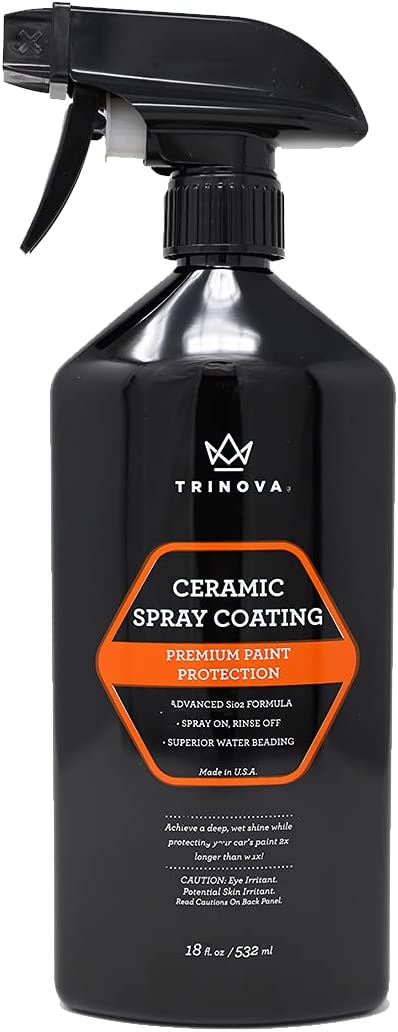
- Dry and protect. A wheel sealant or ceramic spray makes future cleaning much easier.
Use separate brushes, mitts and towels for wheels so brake dust never ends up on your paint. For the full routine, see how to detail a car at home.
Here are the wheel cleaners we'd consider.