
Your car's carpet takes more abuse than any other surface: mud, snow, salt, spilled coffee and whatever your shoes bring in. A good set of floor mats protects the factory carpet underneath, makes the interior far easier to keep clean, and helps protect your car's resale value.
Types of car floor mats
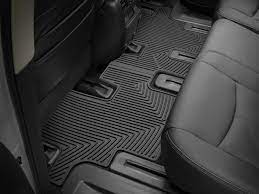
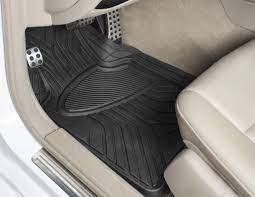
Custom-fit (laser-measured) liners are molded to your exact make and model. They cover the floor edge to edge, often with raised sides that contain spills, but they cost more and only fit one vehicle.
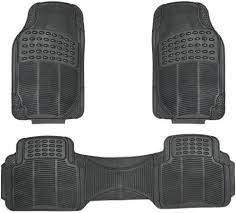
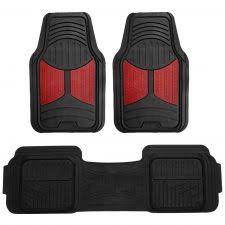
Trim-to-fit rubber mats come oversized with cutting guides so you can trim them to your footwell. They're affordable and fit a wide range of cars.
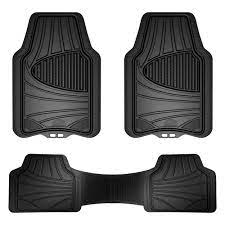
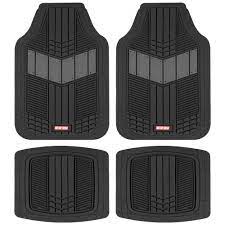
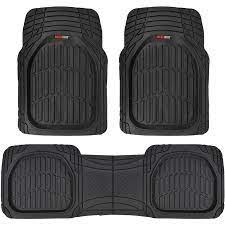
All-weather rubber or thermoplastic mats are thick, waterproof and easy to hose off. They're the best choice in snowy or rainy climates.
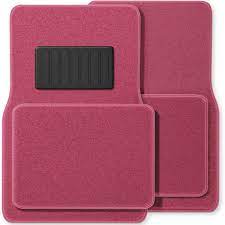
Carpeted mats look and feel closer to the factory interior and are quieter, but they hold dirt and moisture and are harder to clean.
What to look for
- Coverage. Deep channels and raised edges trap water and debris before they reach the carpet.
- Anti-slip backing. Nibs or a grippy backing keep the driver's mat from sliding under the pedals, which is a genuine safety issue. Use your car's factory retention hooks if it has them.
- Material. Rubber and TPE resist cracking in the cold and don't curl in the heat. Avoid thin, stiff vinyl that hardens over time.
- Odor. Some cheaper rubber mats smell strongly at first; airing them out for a few days usually helps.
- Rear coverage. A one-piece rear runner covers the center hump, which is where a lot of dirt collects.
Keeping mats clean
Take mats out of the car to clean them. Rubber mats can be scrubbed with an all-purpose cleaner and a stiff brush, then rinsed and air-dried. Carpeted mats need a vacuum and a carpet cleaner for stains. Avoid tire shine or silicone dressings on mats; they make them slippery.
Here are the mats we'd consider, from budget trim-to-fit sets to heavy-duty all-weather liners.